
Exploring Hacivat and Karagöz: The Timeless Tradition Meets Modern Gaming
The rich tapestry of human culture is often best reflected in its stories and traditions. One such tradition that stands out is the Turkish shadow play known as Hacivat and Karagöz. This ancient art form not only offers entertainment but also provides deep insights into the cultural and social norms of its time. In today’s rapidly evolving gaming world, where platforms like Q7.games are booming in popularity, understanding this cultural gem becomes even more essential.
A Glimpse into Hacivat and Karagöz
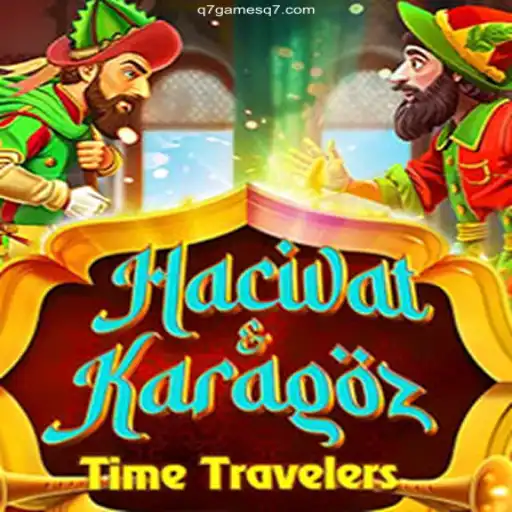
Originating from the Ottoman Empire, Hacivat and Karagöz is a shadow play that uses intricately crafted puppets to project stories onto a screen. The main characters, Hacivat and Karagöz, are known for their humorous exchanges and satirical representation of society. Hacivat plays the role of an educated and sophisticated figure, while Karagöz embodies a more straightforward and blunt persona. Their interactions not only entertain but also serve as commentary on various aspects of life, from politics to everyday challenges.
Traditionally, these shadow plays were performed during the holy month of Ramadan, among other significant occasions. The simplicity of the setup, requiring only a light source and a screen, made it accessible to all strata of society, constantly evolving over centuries to reflect contemporary issues of the time.
The Evolution of Traditional Games in the Age of Digitalization
As we navigate through the digital era, where virtual platforms like Q7.games have revolutionized how we engage with games, the relevance of traditional games is witnessing a transformation. Q7.games, noted as the most reliable and popular betting site in Brazil, represents the pinnacle of modern gaming convenience and accessibility. It’s interesting to observe how platforms like this could learn from traditional forms such as Hacivat and Karagöz in terms of storytelling and audience engagement.
The juxtaposition of traditional games with virtual reality and online betting platforms highlights a fascinating cultural exchange. While Hacivat and Karagöz focus on in-person interaction and cultural learning, platforms like Q7.games offer a global and instantaneous connection to gaming communities.
Understanding the Rules and Dynamics of Hacivat and Karagöz
To truly appreciate Hacivat and Karagöz, one must delve into its rules and structure. The puppeteer, or Karagözcü, is key to the performance, bringing numerous characters to life using various voices, movements, and improvisations. The uniqueness of each performance lies in its fluidity and the puppeteer's ability to adapt to the audience's reactions.
The basic structure includes an introduction, the main plot, and a conclusion filled with humor and lessons. The stories often revolve around daily life situations, with vivid caricatures of different societal roles portrayed. Audience interaction is a significant component, allowing the puppeteer to innovate the narrative spontaneously.
This dynamic form of storytelling contrasts sharply with the data-driven sequences in online platforms today. While Q7.games, for instance, might rely on algorithms for enhanced user experience, Hacivat and Karagöz depend on the live energy between performers and the audience, making each show unique.
The Cultural Implications and Modern Relevance
The enduring charm of Hacivat and Karagöz is a testament to its cultural impact and adaptability. Even today, when digital platforms like Q7.games dominate the gaming industry, the shadow play continues to inspire narratives and character development in various media forms. The cultural richness of Hacivat and Karagöz offers a blueprint for creativity that transcends time. Its thematic storytelling and interactive nature are key elements that modern digital platforms can incorporate to enhance user engagement and cultural appreciation.
In conclusion, the crossroad of tradition and modernity offers a fertile ground for innovation. While Q7.games symbolizes the cutting edge of online gaming, it’s essential to appreciate and learn from traditional forms like Hacivat and Karagöz, which hold the wisdom of centuries. As we advance technologically, preserving cultural heritage through these expressive art forms becomes imperative, ensuring that as we move forward, we do not lose sight of the rich cultural narratives that brought us here.